CARLAMINDA, FERGUSON VALLEY
David & Helen Humphreys
Snapshot
Integrated farming operation
Average annual rainfall: 800mm
Tree varieties: pine, yellow stringybark, bluegum
THE low maintenance nature of tree cropping was a drawcard for David Humphreys, allowing him to remain connected to primary production at a time when he was unable to be on-farm fulltime.
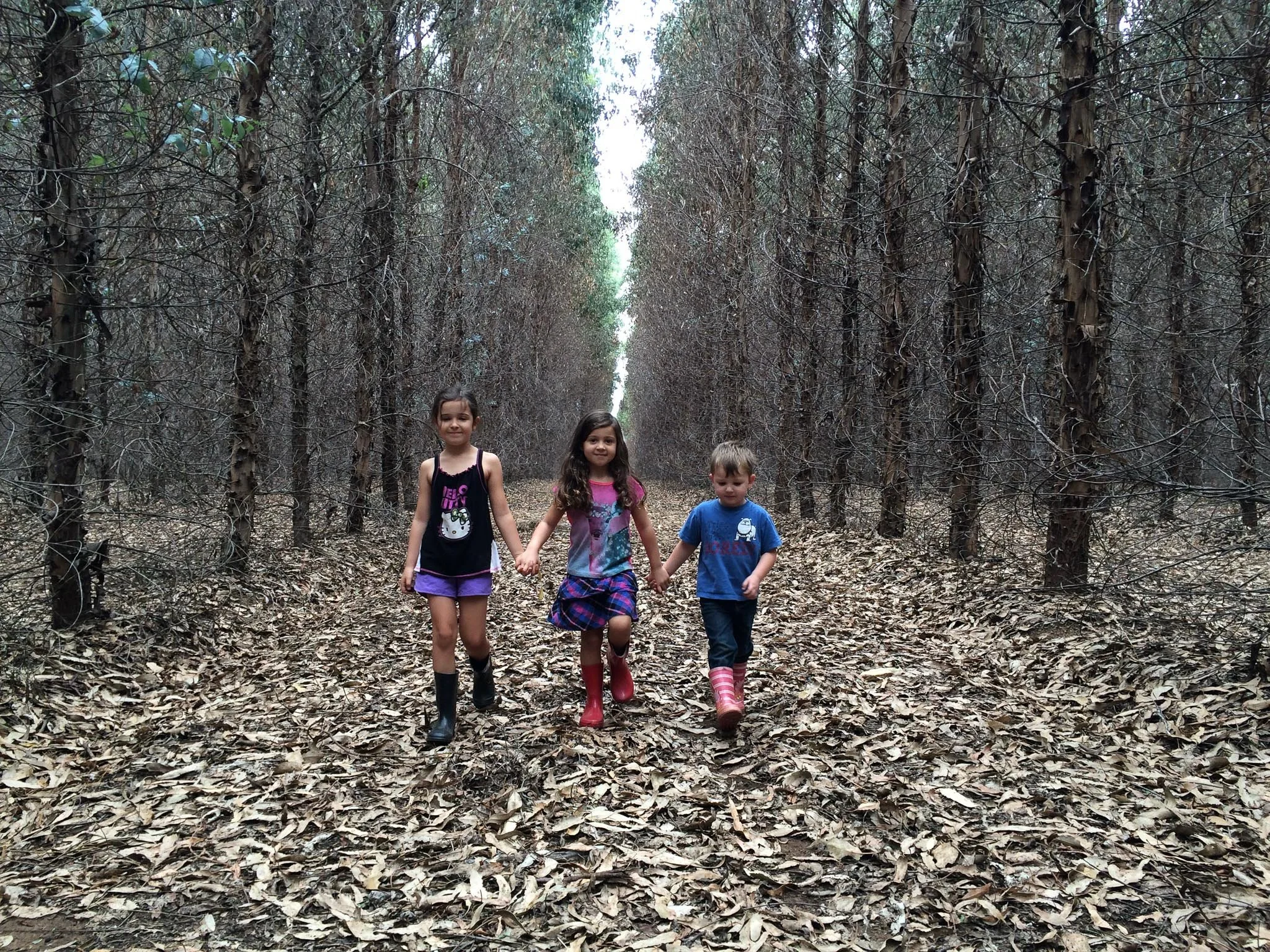
While that may have been an initial perk, David, his wife Helen and their family have found many more benefits of being involved in the timber industry.
The Humphreys run an integrated farming operation over more than 400 hectares between the Ferguson Valley, Bridgetown and Manjimup.
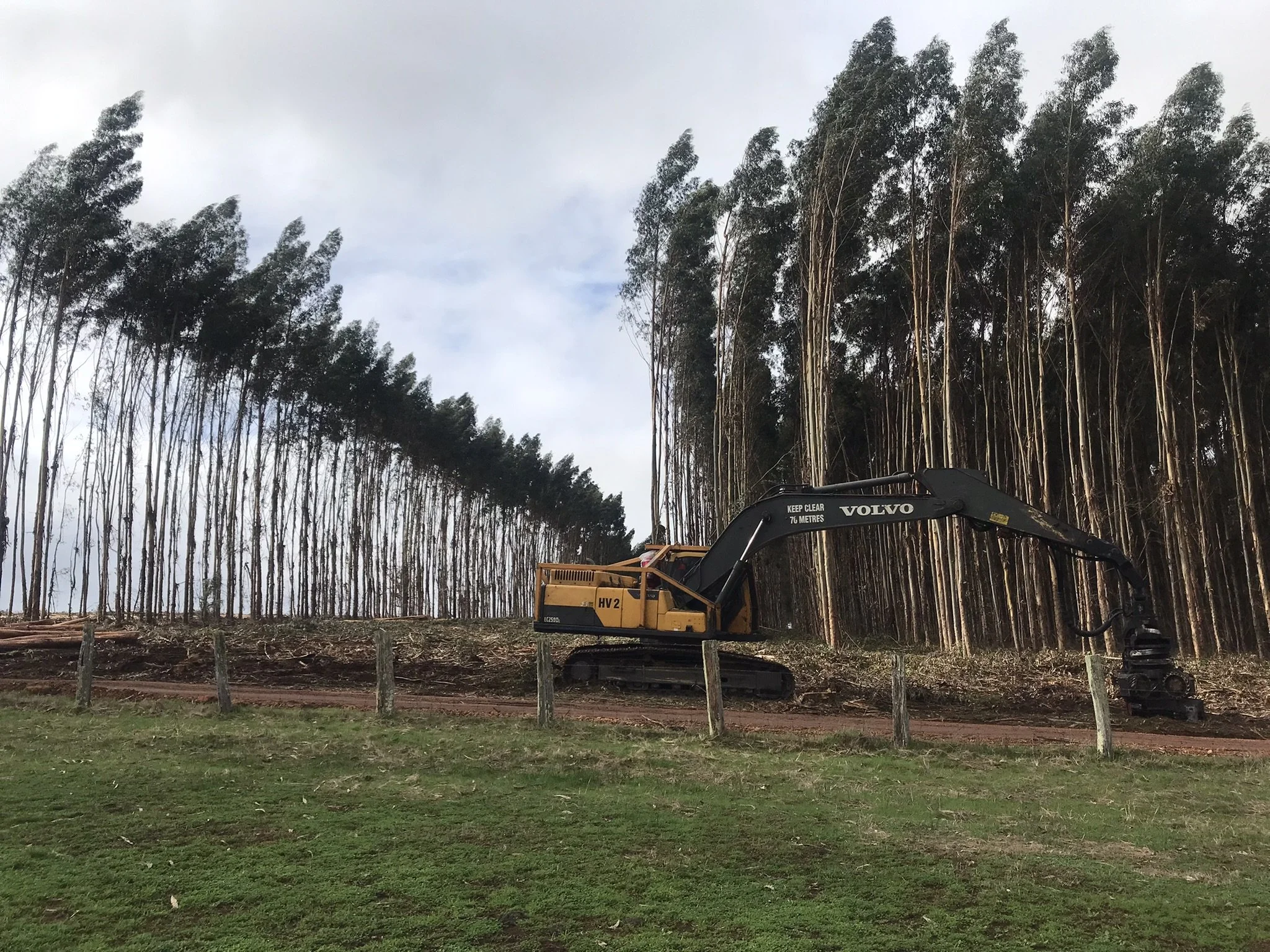
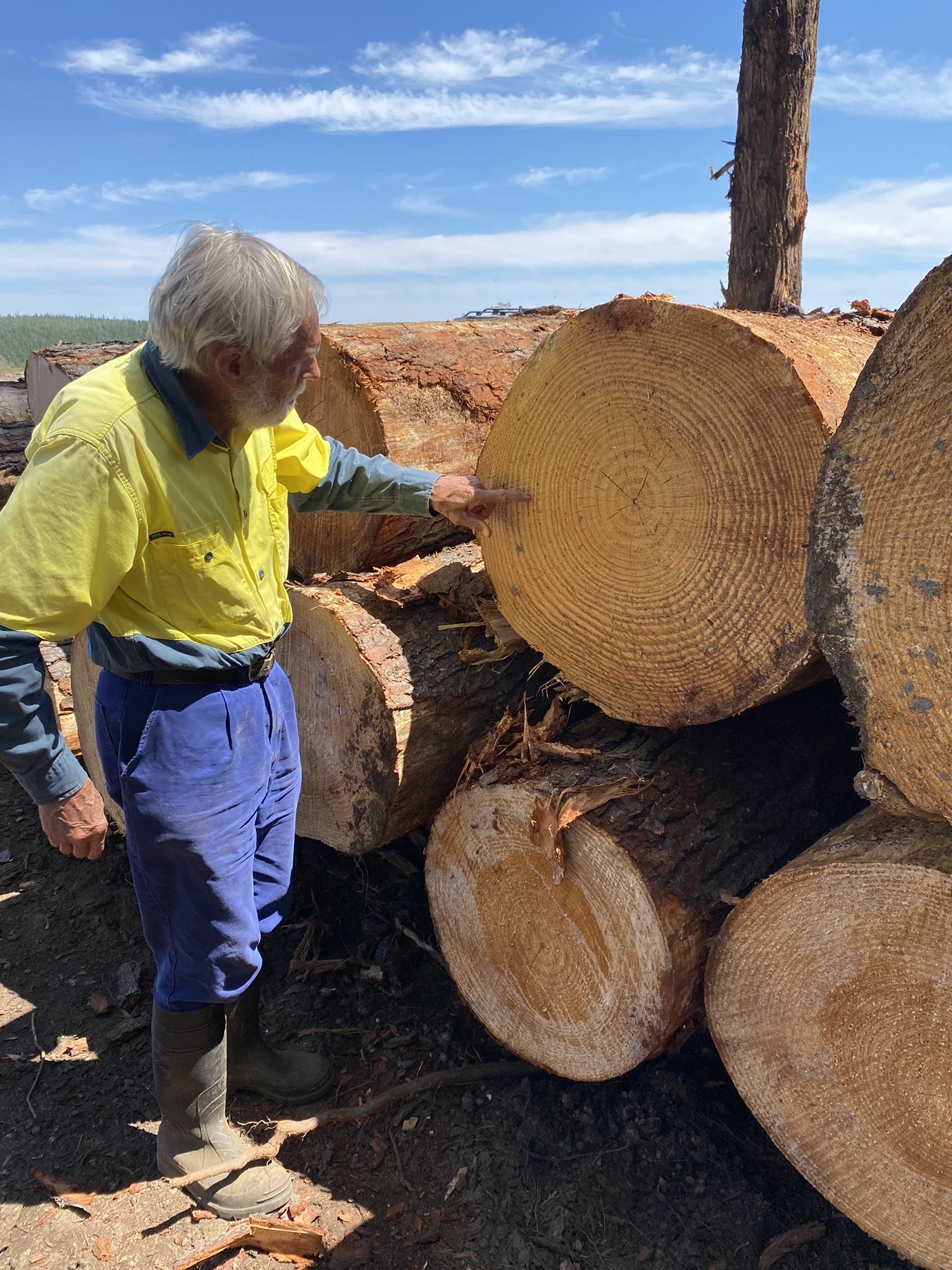
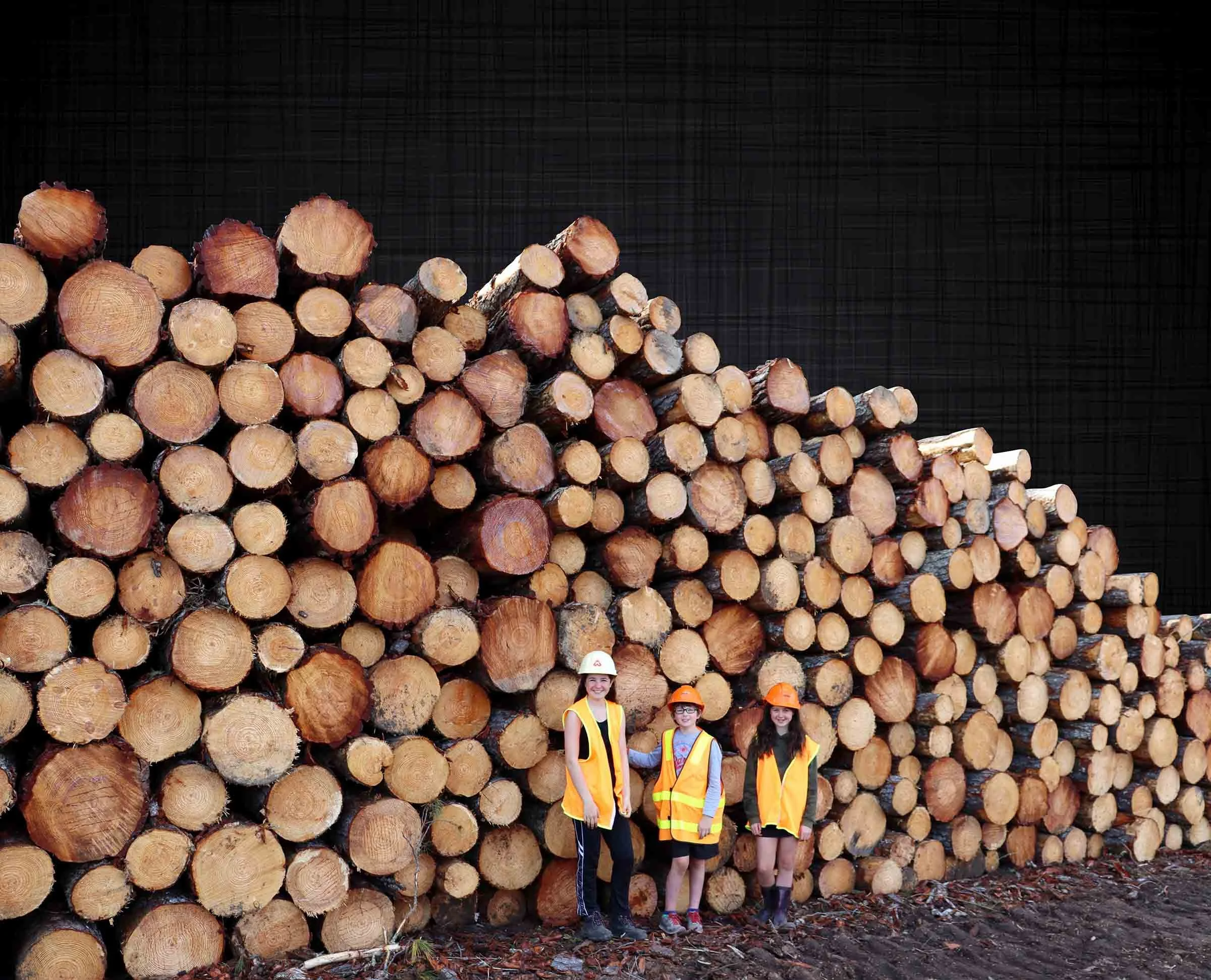
This includes 70 beef cattle breeders (a mix of Angus, South Devon and Black Simmental) in a paddock to plate business, Carlaminda Beef, an apiary and 300ha of mixed aged tree farms comprising of pine, yellow stringybark, bluegum and native forest stands.
Investing in trees was not a new concept to David, as his parents were involved in plantation forestry and established a pine plantation on the family cattle farm at Dardanup in the mid-late 1970s.
David first purchased a quarter share in a bluegum plantation in 1995, followed by a pine plantation in 1998, and three subsequent properties between 2008 and 2012.
In addition to the environmental and aesthetic values, David and Helen’s objective was to establish sufficient area under timber trees such that harvesting, and re-establishment costs, could be staggered to provide a steady cashflow.
He said at the time of purchase, the three blocks of land were heavily discounted as they were planted to trees rather than cleared for pasture, and back then banks struggled with valuation for these types of properties, but he recognised the opportunity.
Since purchasing these properties, there is now a lot more interest by investors in land capable of growing trees and the banks are also more receptive and recognise the value of trees.
“The first couple of years after purchasing the land, I was working away in the resource sector and the trees were a good way of staying involved in primary production through forestry related activities while away,” David said.
“Once the trees were established they required little maintenance, they don't jump fences or run away, so it worked well.”
Once David retired from that career, he and Helen expanded their farming operation by incorporating beef cattle and beekeeping.
“Our model uses a number of properties, so the fairly lengthy rotation between harvest and thinning operations of our trees means we are able to conduct harvesting or thinning operations every couple of years,” David said.
“If it wasn't a thinning operation, it would be a clearfell activity that gave us a chunk of coin to work on reinvesting, re-establishing and covering our overheads.
“The advantage of trees, rather than olives or grapes or similar crops, was that if market conditions were unfavourable or had declined, we could afford to wait longer before harvesting. The trees keep growing and we can capitalise when the time is right.”
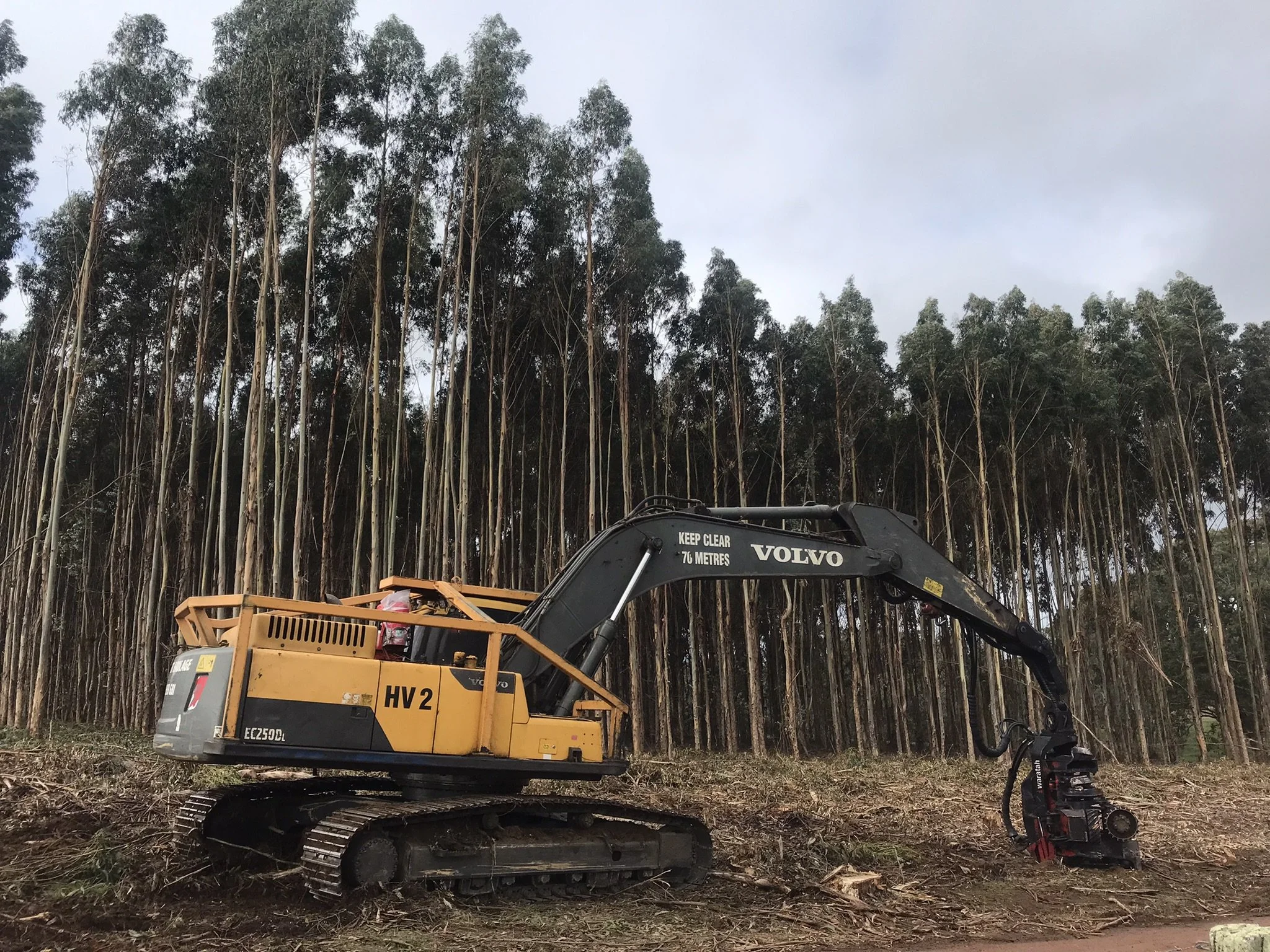
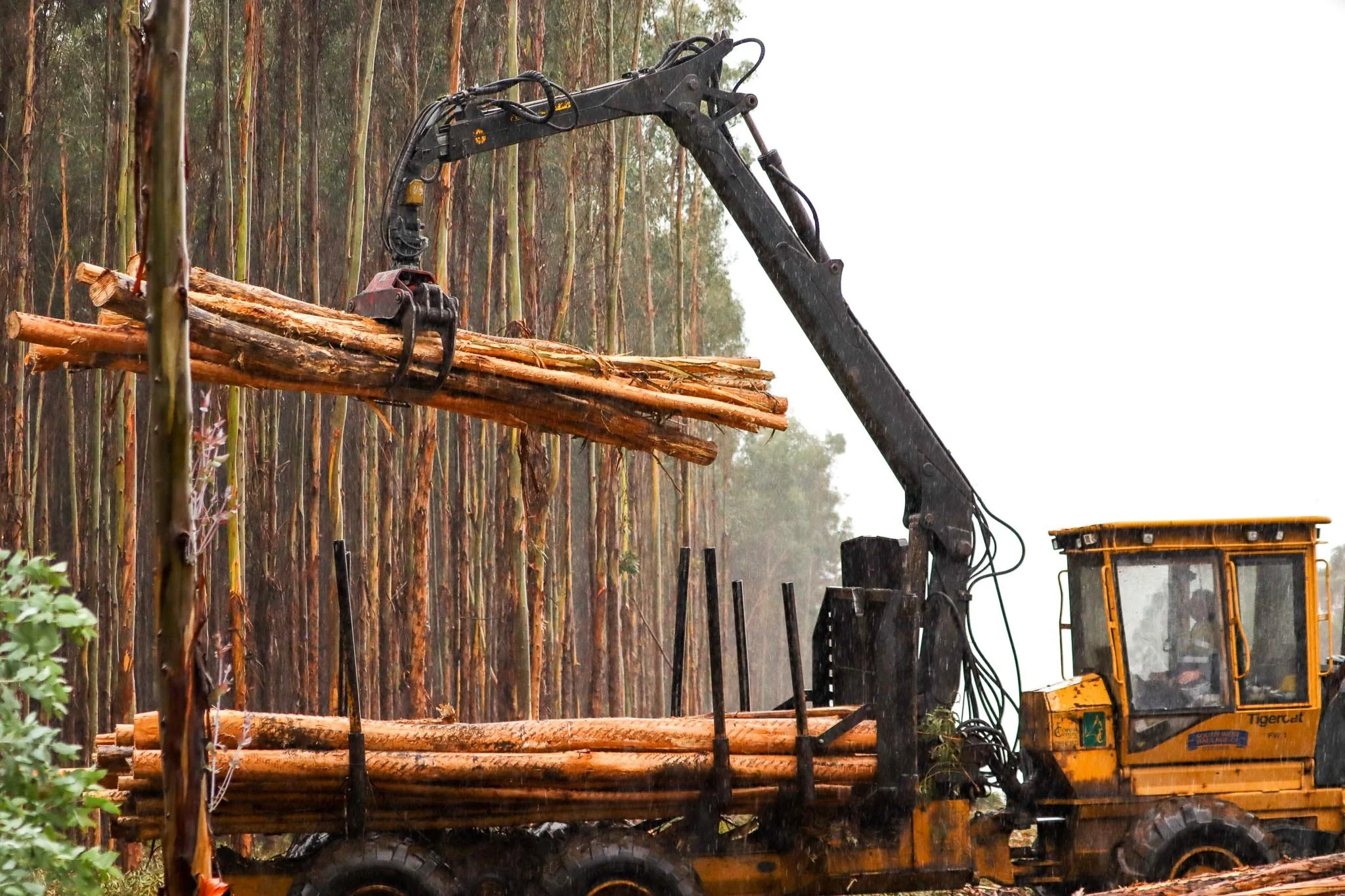
The Humphreys manage the thinning and harvest operations themselves, connecting with a buyer when required.
“We have successfully grown trees and achieved a meaningful return for a range of timber products, including pine for dimension lumber, bluegum for wood chip for paper production and speciality timbers for furniture etc.”
Recently, they have also started producing firewood from their yellow stringybark, cutting and splitting on property for sale to the public.
The trees play an important role in their overall farming operation, as well as environmentally.
“Not withstanding economic challenges and changes in market conditions, you just have to look at our rainfall events and the change in evaporation rates and the landscape to know that we as farmers, have some challenges ahead of us,” David said.
Challenges that the integration of trees on to our farms may assist with.
“I see a farming operation’s resilience and resistance as being two similar but different factors.
“A farm’s resilience is its ability to adapt and bounce back, whereas a farms resistance is its ability to withstand change and push back against external influences.
“A farm’s ability to withstand the change in climatic conditions and to recover from extreme weather events is aided by integrating trees into the landscape.
“Similarly, a farm’s financial ability to withstand a poor season or seasons and or market down-turns can also be aided by integrating trees into its operation as an addition source of income.”
He is also of the view that there is always a need for balancing trade-offs in any farming operation and decision making.
“Whether you are cropping or running livestock; growing and integrating trees as part of the farming operation is no different.
“For example, while trees will create some shading effects on nearby pasture, there is an overall benefit of having these trees to help reduce winds and weather impacts on pasture and livestock.”
David said the industry had changed significantly since he first became involved, facing many challenges along the way.
He said the current climate allowed farmers much more flexibility and he encouraged others to consider planting trees as part of their farming system.
“Great farmers are those that are used to long-term planning but also know how to adapt” he said.
“Whether you do a block of trees in a less productive corner of your paddock or you plant in belt type arrangements, there are a range of great benefits to be had from growing trees.”