BRIDGETOWN
Gilbert & Marilyn Rowan-Robinson
Snapshot
Integrated farming operation
Average annual rainfall: 800mm
Tree varieties: blue gum and pine
GILBERT and Marilyn Rowan-Robinson have spent more than 50 years navigating the challenges and opportunities of farming and forestry.
The Rowan-Robinsons journey into integrated farm forestry began inadvertently, after they purchased land which included an existing pine plantation.
With the timber market in decline at the time, it was an interesting learning experience for Gilbert and Marilyn.
“Marketing the timber at that time was extremely difficult, we could grow the trees well, but unless they were dead straight, we couldn’t get anything for them during thinning,” Gilbert said.
“We had to leave the trees with a slight bend in them because nobody wanted them at the time, as there was no chip market for them.”
The result was most of their early plantation being thinned to waste, which did not sit well with Gilbert and Marilyn, and they worked hard to change the outcome for subsequent thinnings.
Thankfully, market conditions developed over the years including the introduction of a particle board market which utilised whole trees and minimised waste.
In a testament to the resilience and adaptability of the Rowan-Robinsons, once the pine was harvested, they investigated blue gums which offered a shorter rotation period in comparison.
At that time, beef returns were down, so Gilbert and Marilyn linked up with WA Plantation Resources (WAPRES) and established a blue gum plantation on gravel country that was unsuitable for grazing.
This model offered a far more secure option for the family marketing-wise, while also allowing them to retain the flexibility of land management.
At their peak, they had 1000 hectares spread out over 11 farms in Bridgetown, Collie and Greenbushes.
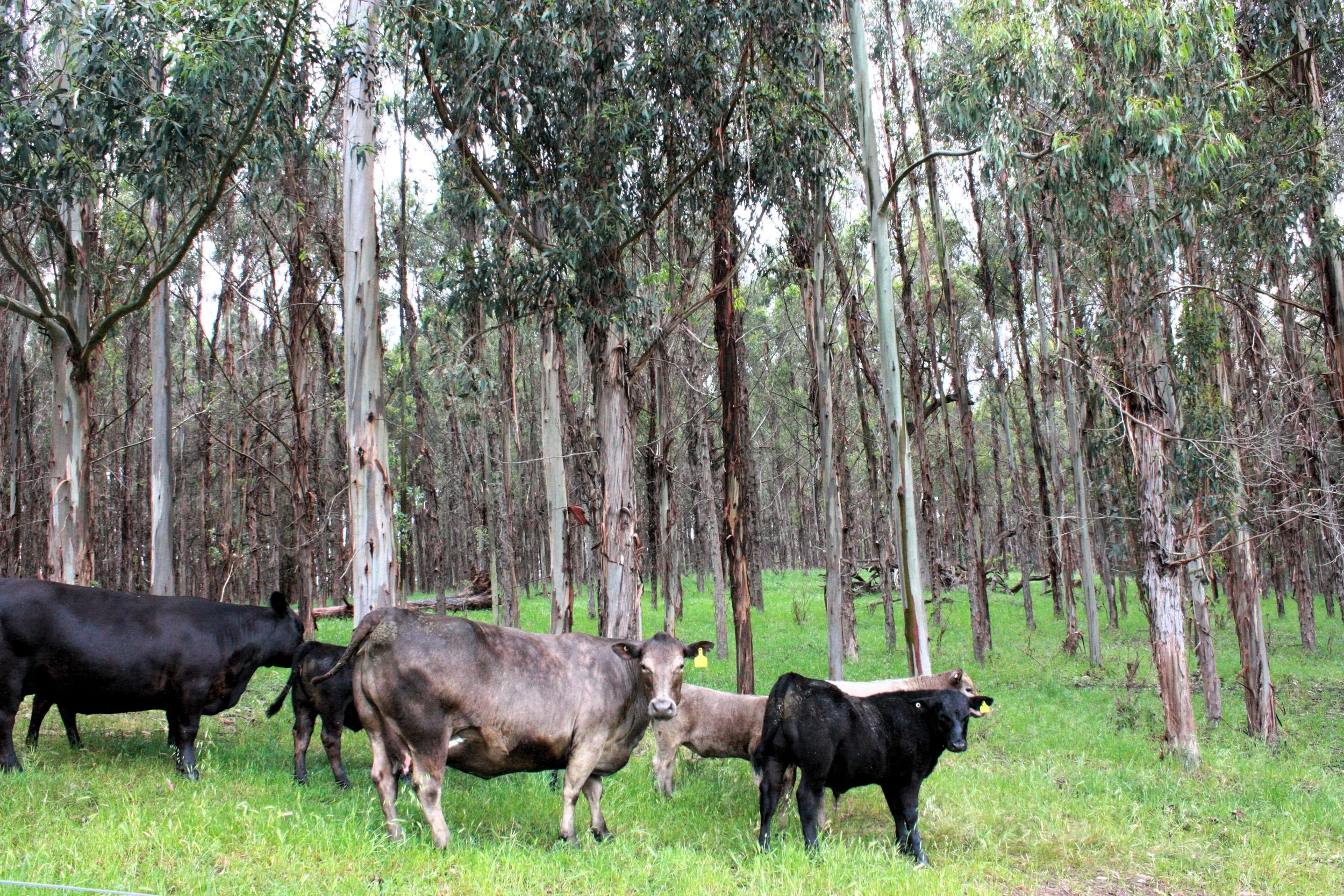
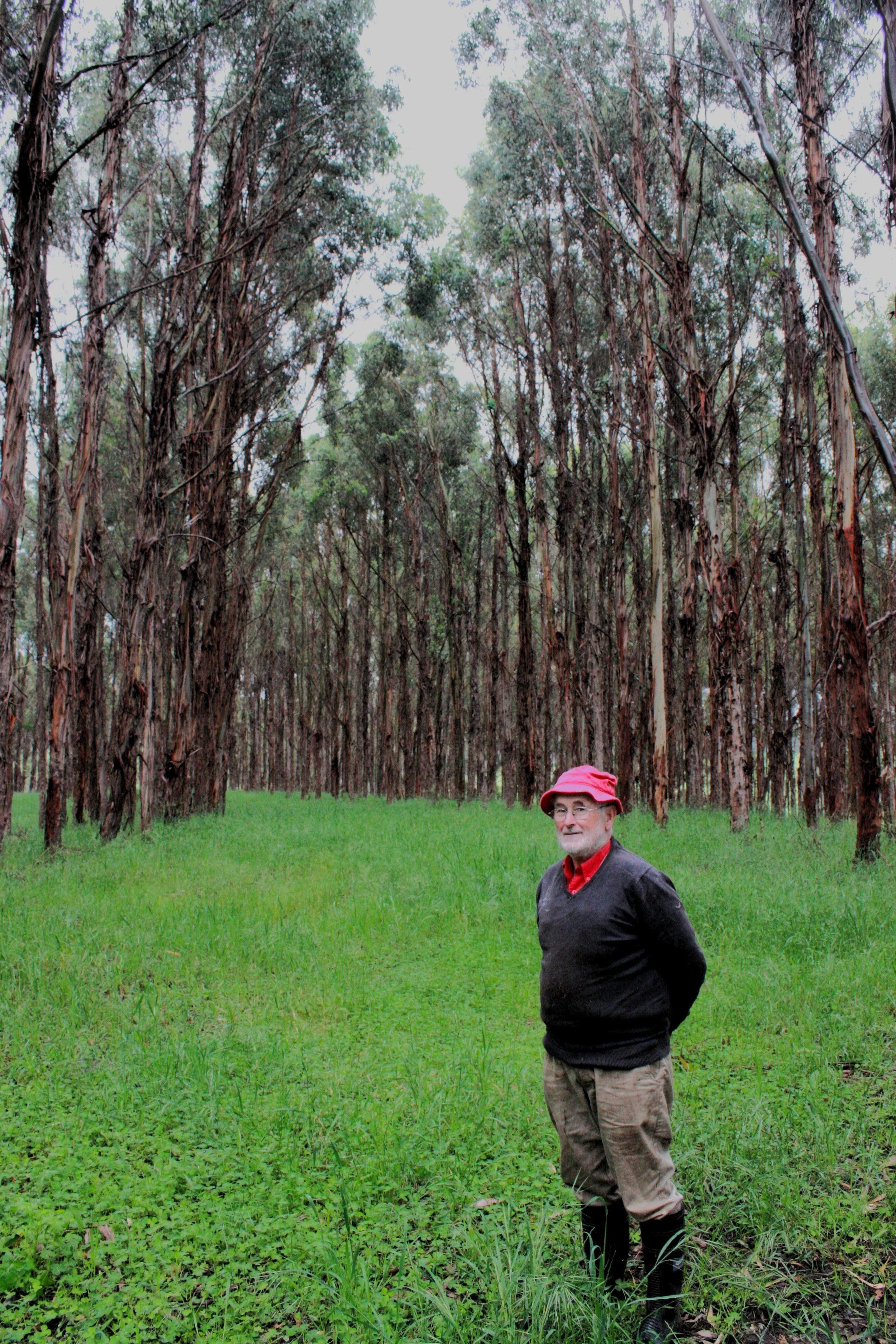
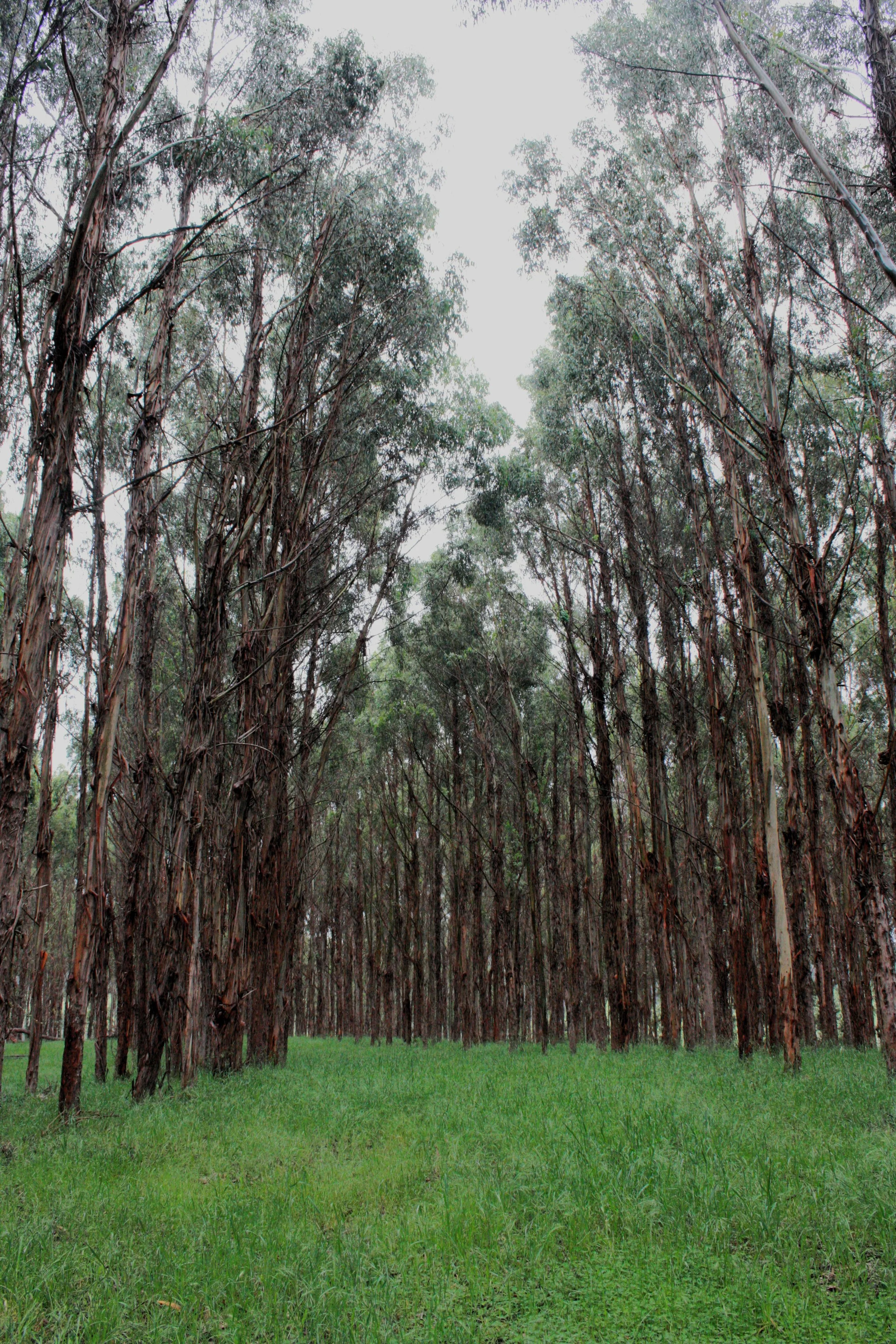
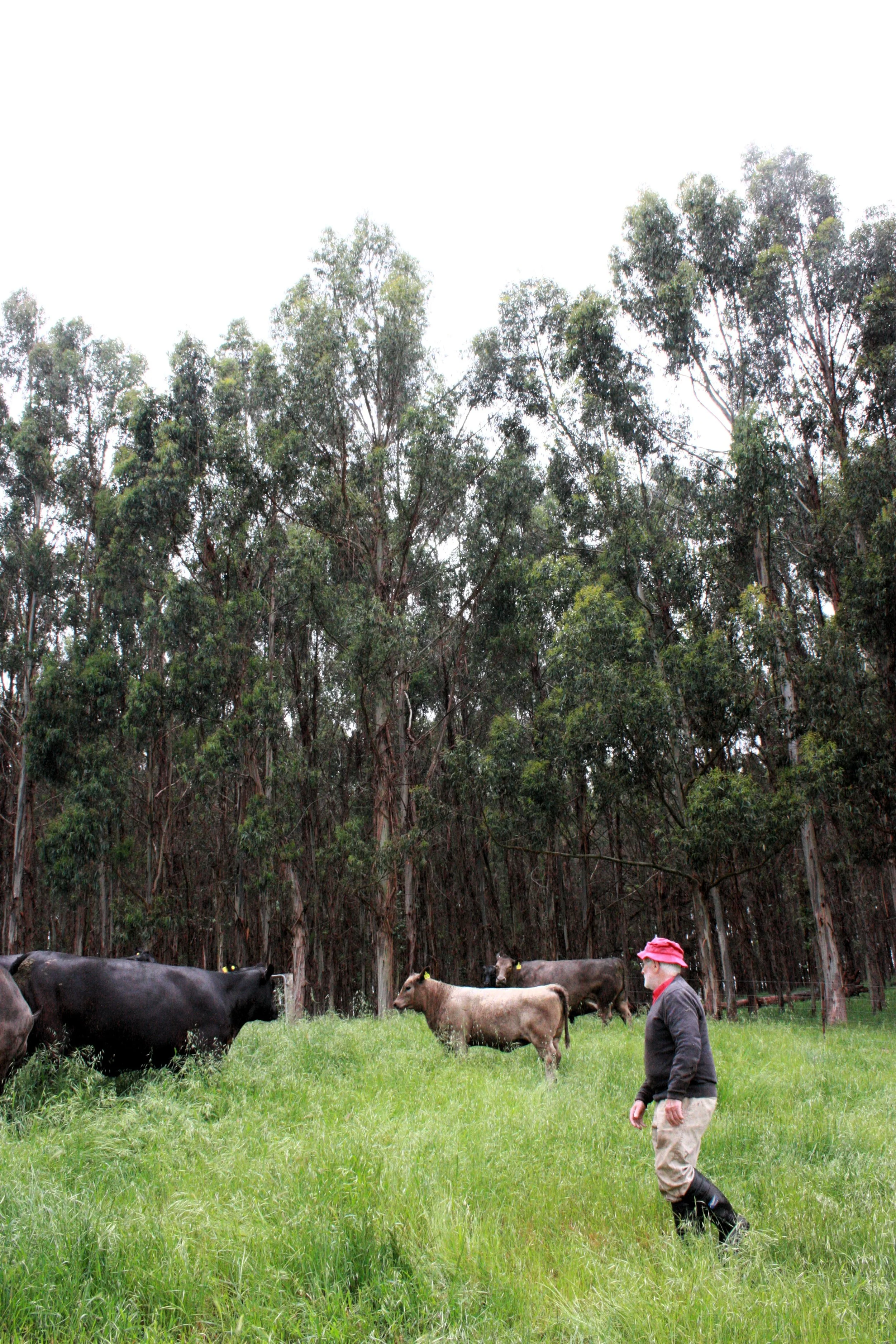
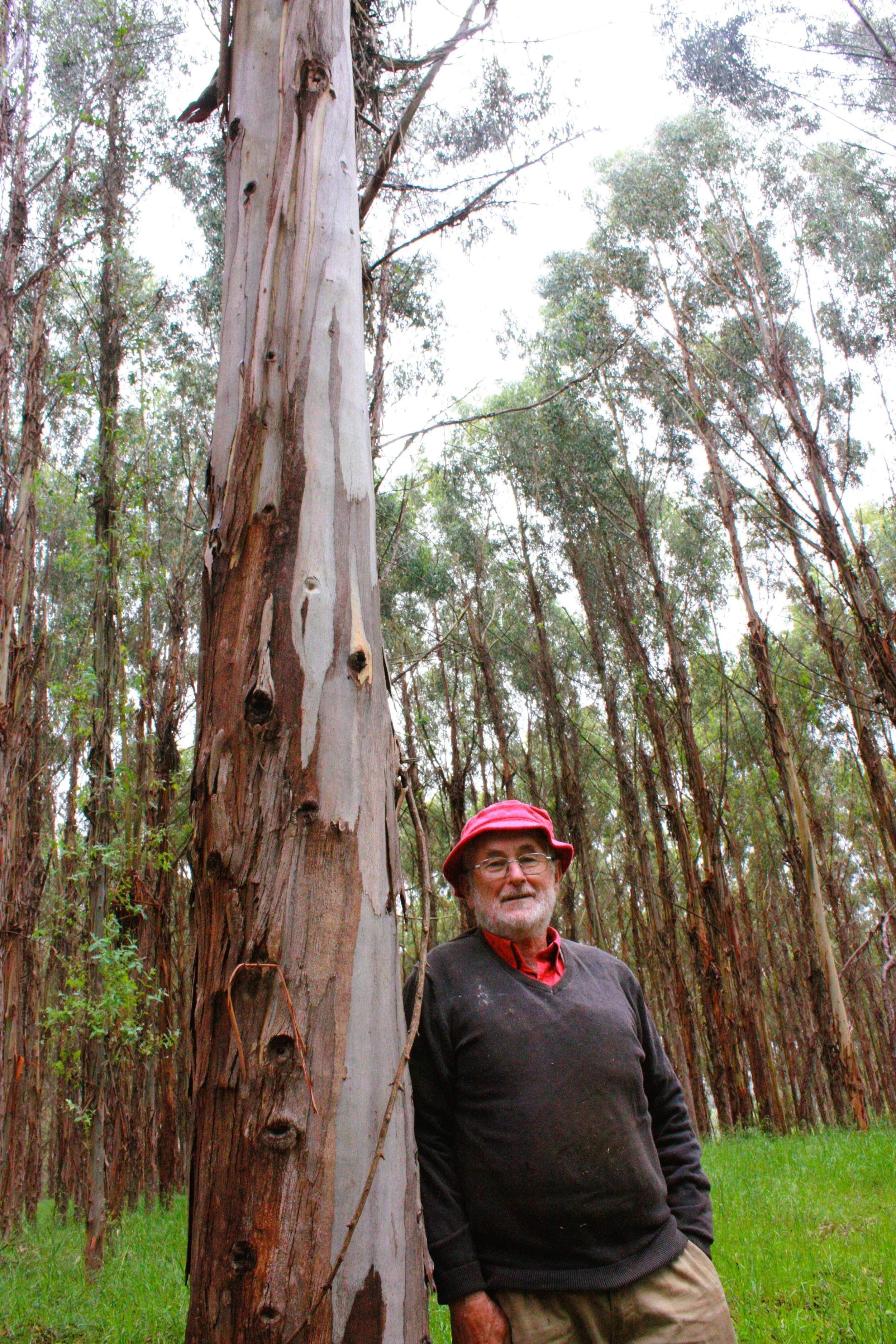
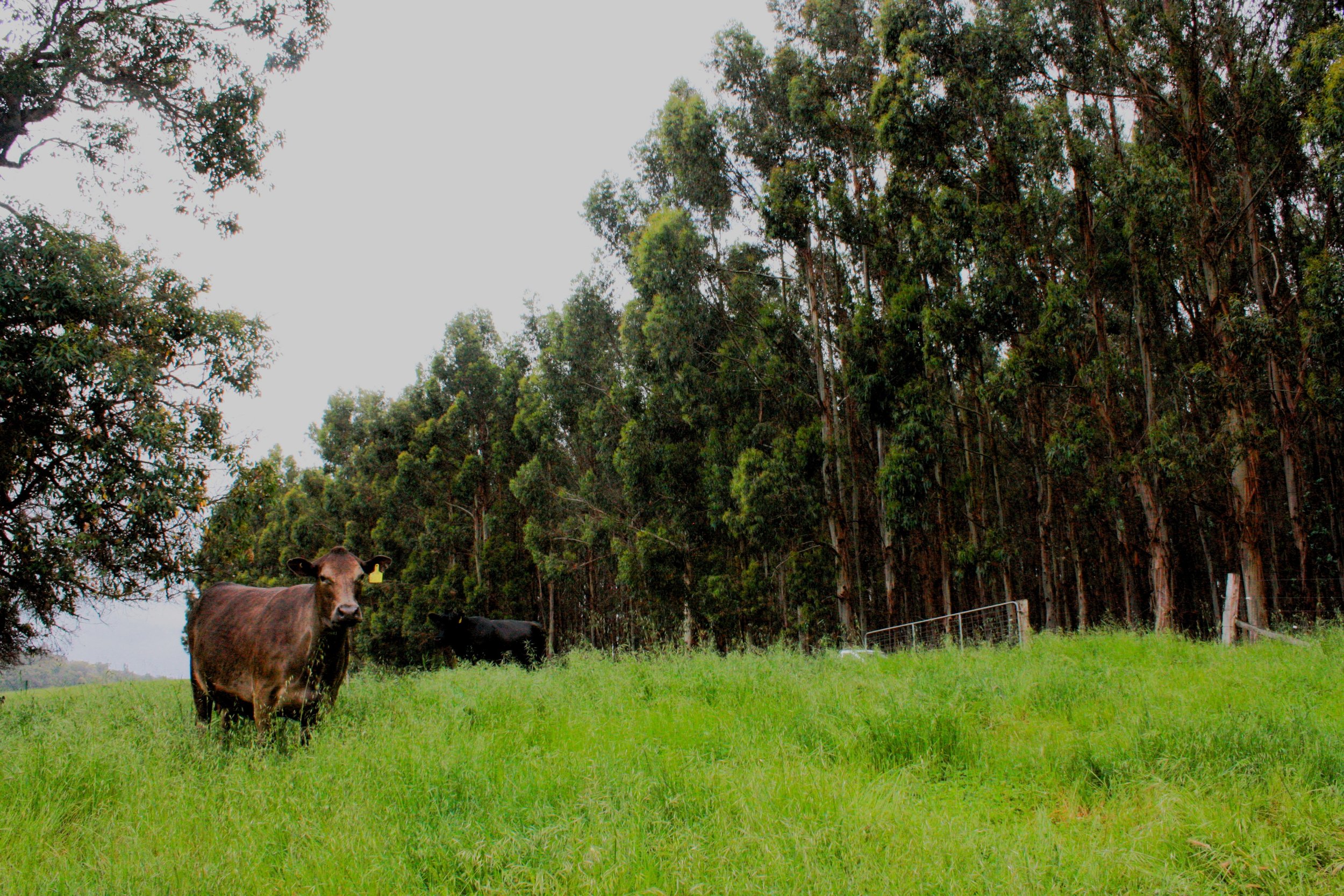
These days, the Rowan-Robinsons run a more condensed operation with 100 head of predominately Angus cattle on their picturesque property, which includes 13ha of 12-year-old blue gums.
Integrated forestry became a core strategy in their farming enterprise, with practical innovations such as 12 metre tree spacings to allow for optimal sunlight and pasture growth.
This allowed them to graze cattle throughout their plantations and harvest multiple hay crops, even as the trees matured.
Stocking rates fluctuated over the years, starting at about 70pc of pre-plantation level and settling to an average of 30-50pc with tree maturity.
The plantation also offers protection during calving and shade for the cattle seeking respite from the heat during the summer months.
“There is a big avenue in the South West and a lot of opportunities for agroforestry,” Gilbert said.
“We are getting two income streams instead of one and the net income from both is better than just focusing on one. I think timber has a big place in the world.”
Being able to maximise land use has worked well for the Rowan-Robinsons, with productivity sometimes as high as 120 per cent compared to a single-enterprise model.
Over the decades, Gilbert said he and Marilyn had witnessed and adapted to many changing government policies and market initiatives, such as managed investment schemes and shifting land-use priorities.
He said they had encountered both support and frustration in dealings with local and State authorities, especially regarding firebreak management and land use regulations.
Soil health is of paramount importance to Gilbert and Marilyn as they believe it is the foundation of productivity for both agriculture and forestry.
“Poor management, especially during firebreak construction or erosion events, can have a big impact on soil health,” Gilbert said.
“We do not do bare mineral earth firebreaks, preferring well-managed grass firebreaks at ankle height or less.
“This method is cost saving and maintains the soil health, preventing erosion and reducing salinity.”
The family has contributed to their local community by hosting field days and sharing their experiences with councils and fellow farmers.
Gilbert said they had experienced changing attitudes over the years, with some innovations such as grass-based firebreaks initially welcomed and later abandoned by authorities.
While that had been frustrating, he and Marilyn still firmly believe that plantation timber holds a significant place in Australian farming and offers both economic and environmental benefits.
“It just needs to be done right,” Gilbert said.
“It requires careful planning, scale and adaptability, especially given market fluctuations and policy trends.
“I would recommend other farmers consider trees as a diversification tool.”