BRIDGETOWN
David & Dianne Jenkins
Snapshot
Integrated farming operation
Average annual rainfall: 600mm
Tree varieties: Tasmanian blue gum, Sydney blue gum, spotted gum, manna gum, rose gum, Tasmanian black wattle, eastern states blackbutt, pine
THE satisfaction derived from taking a tree right through from seedling to harvest, milling it and using the timber is a very special feeling.
It’s one that David Jenkins still relishes, even after almost 40 years of integrated farm forestry.
David and his wife Dianne have a 235-hectare property at Bridgetown, of which up to 50ha is dedicated to forestry.
They run 70 Murray Grey breeders in an internal breeding stock system, ensuring cattle that are peaceful and quiet.
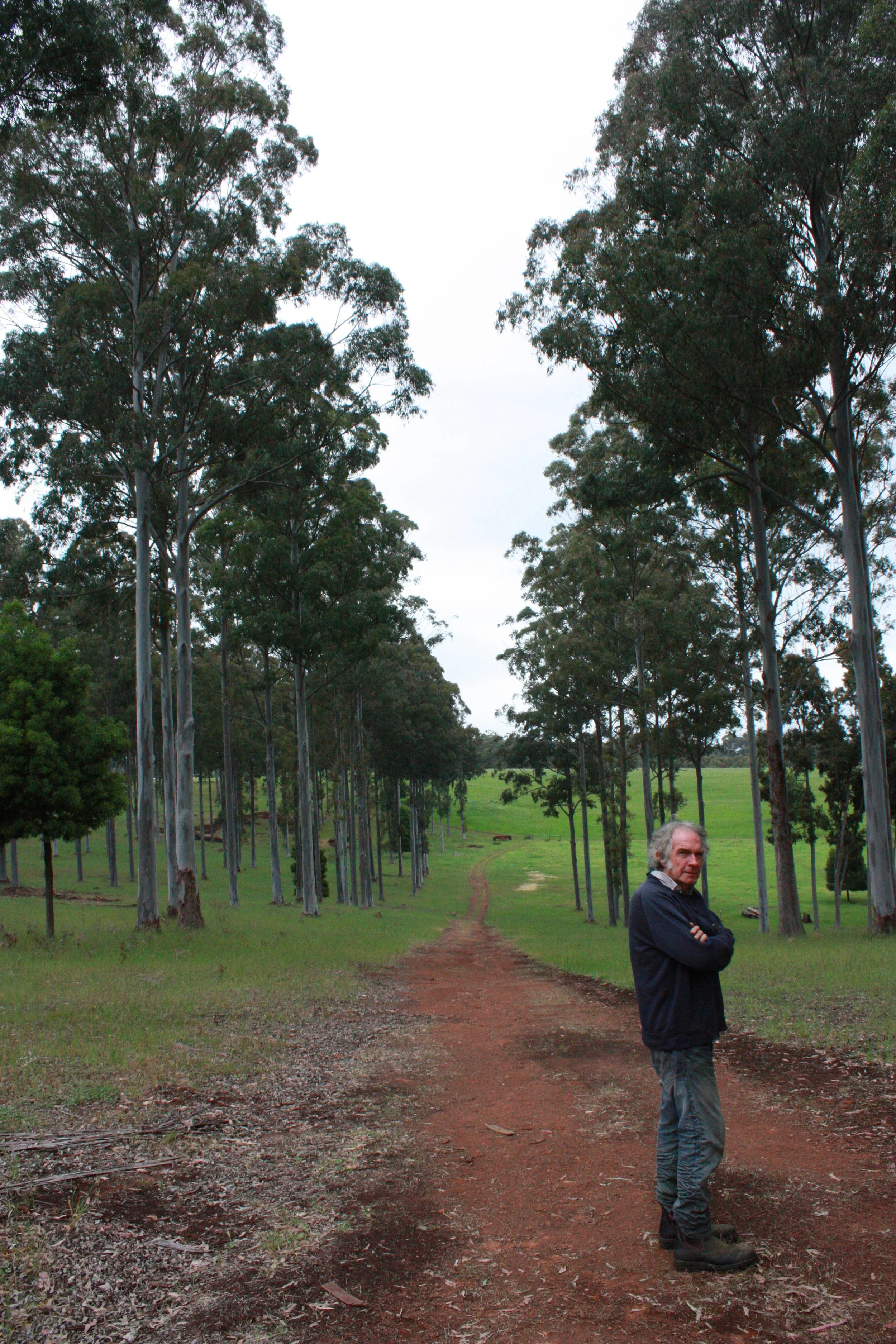
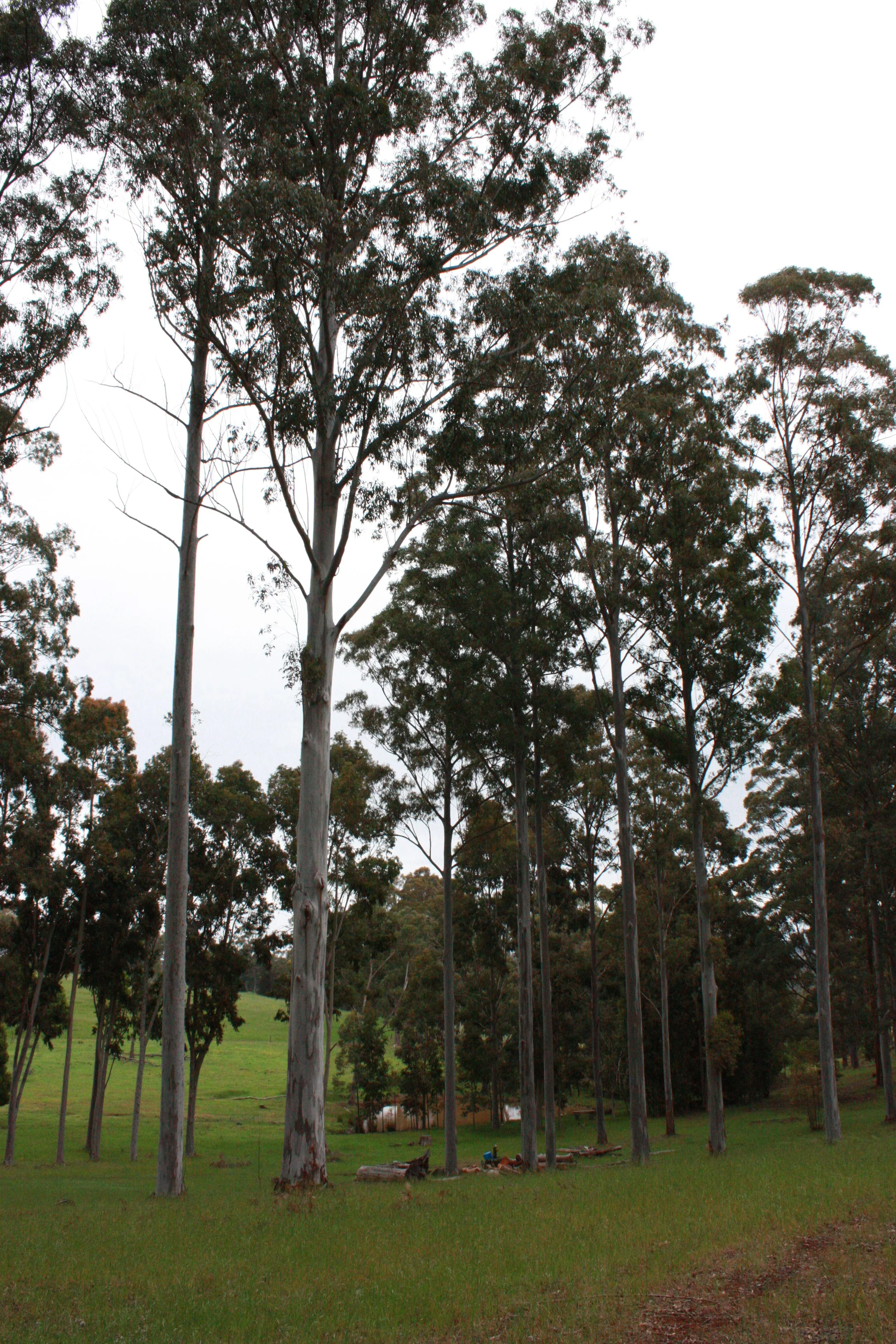
The family’s experience with forestry began in a quest to beautify their farm, and in 1987 they established a 26-hectare plantation of Tasmanian blue gums.
That evolved to include various woodlots, shelter belts and plantations with a diverse range of varieties, while the Tasmanian blue gums remained as the mainstay of their forestry program.
Eight years after planting, they received their first significant income from forestry.
Their plantation site was a 2:1 ration of Tasmanian and Sydney blue gums, planted at a density of 450 stems per hectare to total 19ha of pasture and seven hectares of trees.
With a heavy thinning program, the Jenkins marketed their Tasmanian blue gum to WA Plantation Resources (WAPRES) for chip logs while the Sydney blue gums were grown for sawlog.
David concedes that in the early years they thought they had the best of both worlds with their plantation, cropping and grazing successfully between the trees and achieving exceptional results.
“We were cutting hay in between the trees at the start, it was great,” David said.
“Up until years five to eight, then the pasture growth dropped significantly.
“We still graze within our plantation today, but even now I’m sure we could improve that.”
Pasture growth certainly has not been the only challenge faced by the Jenkins, but David’s passion for integrated farm forestry has remained strong.
In 2003, a devastating fire ripped through their farm, killing livestock (sheep at the time) and completely wiping out their Tasmanian blue gums.
Interestingly, the Sydney blue gum survived.
“When the fire went through, there was a lot of leaf fall because the fire was so hot,” David said.
“The radiant heat scorched the trees to the top and then of course afterwards, we had a lot of regrowth.
“We did manage to sell some timber after the fire, around 600 tonnes, to a mill south of Manjimup.”
The Jenkins have also faced droughts, which have affected tree growth performance across different species.
For example, spotted gum has proven resilient in both fire and drought conditions.
After the fire, David said they entered into a share farm agreement with WAPRES, planting 35ha of blue gum.
While the growth rates were poor for that plantation due to consecutive dry years, he said they were happy with the returns ($300/ha/yr initially and then up to $400/ha/yr with the CPI).
That plantation was converted back to pasture, but David maintained his interest in forestry and a relationship with WAPRES for marketing his timber.
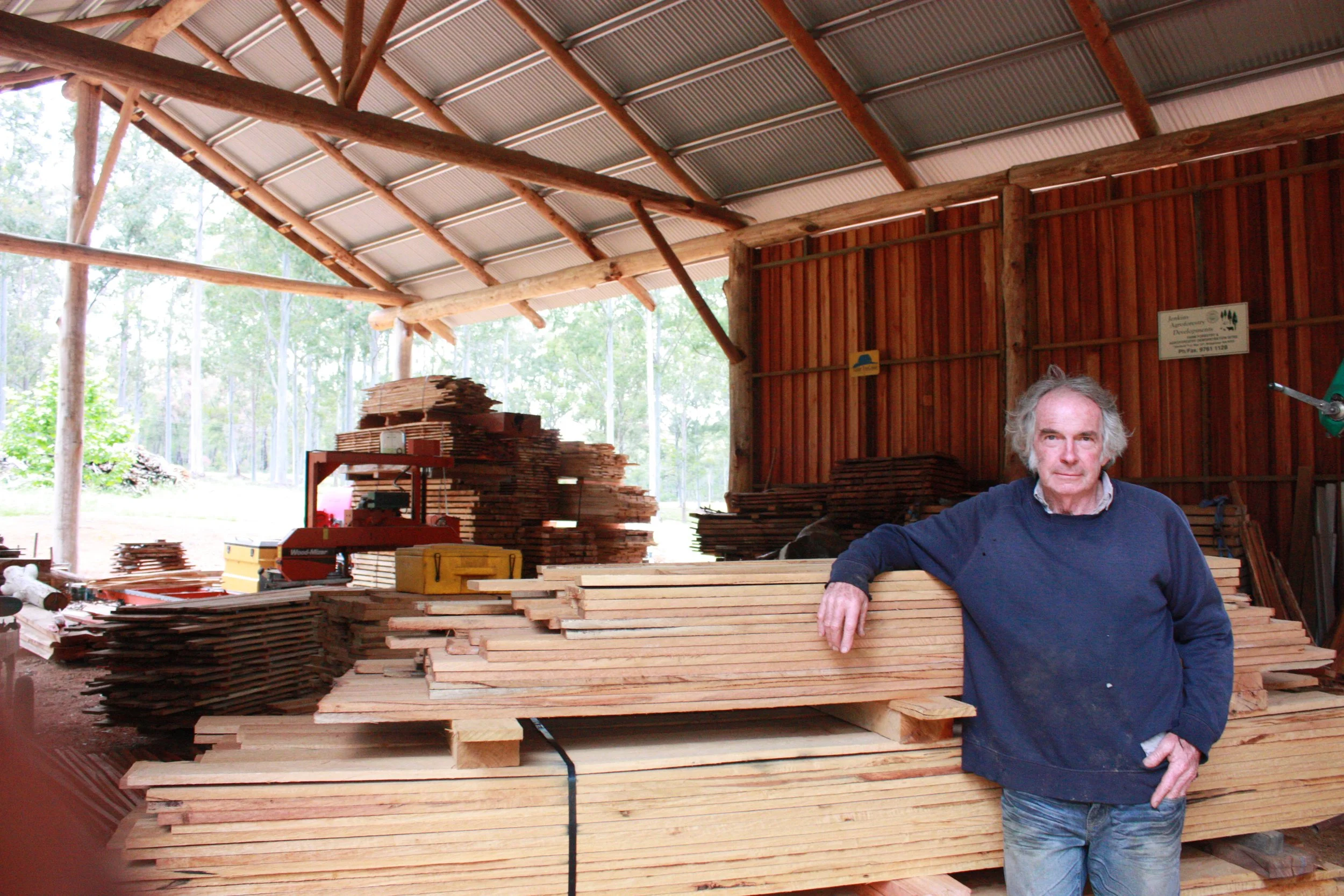
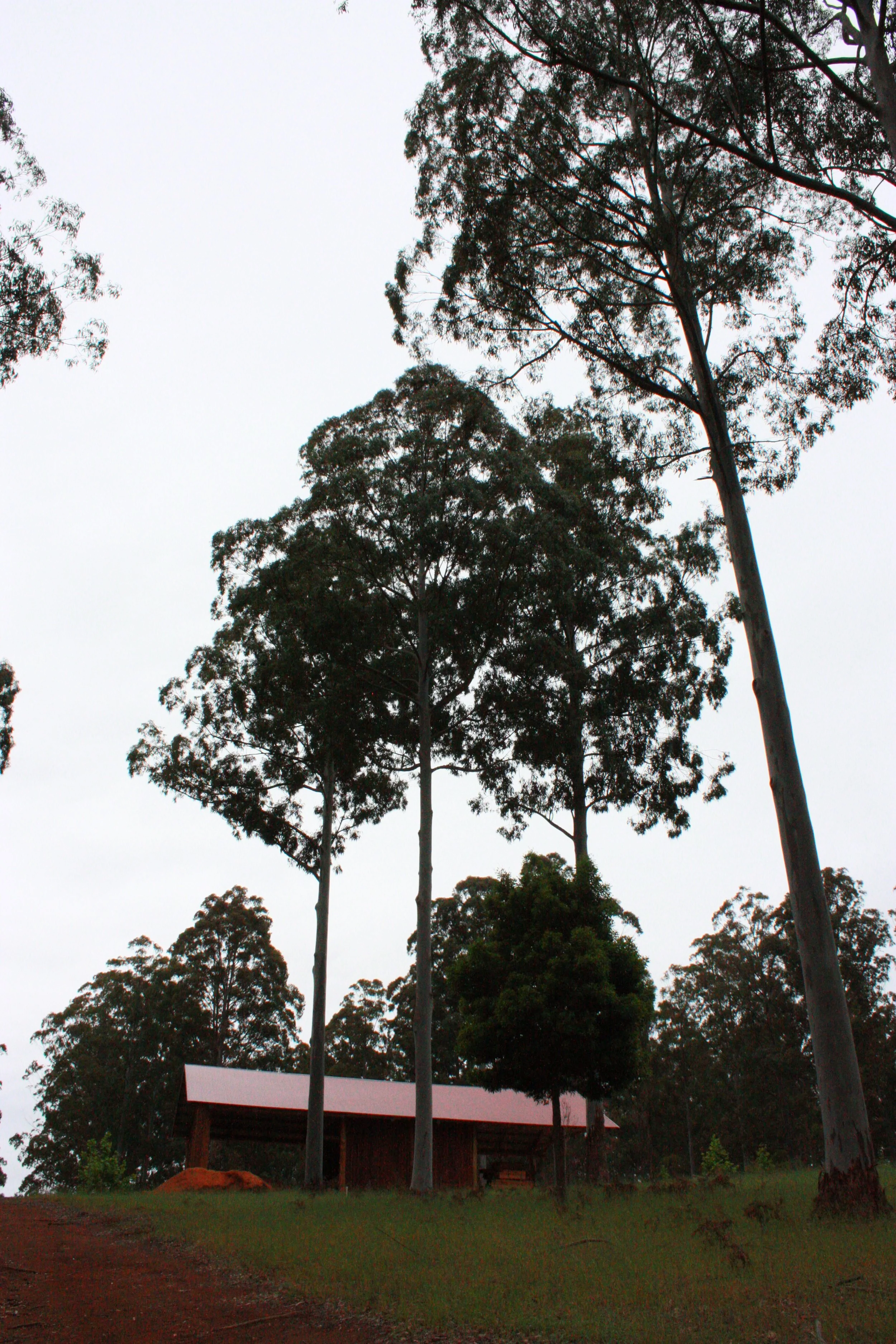
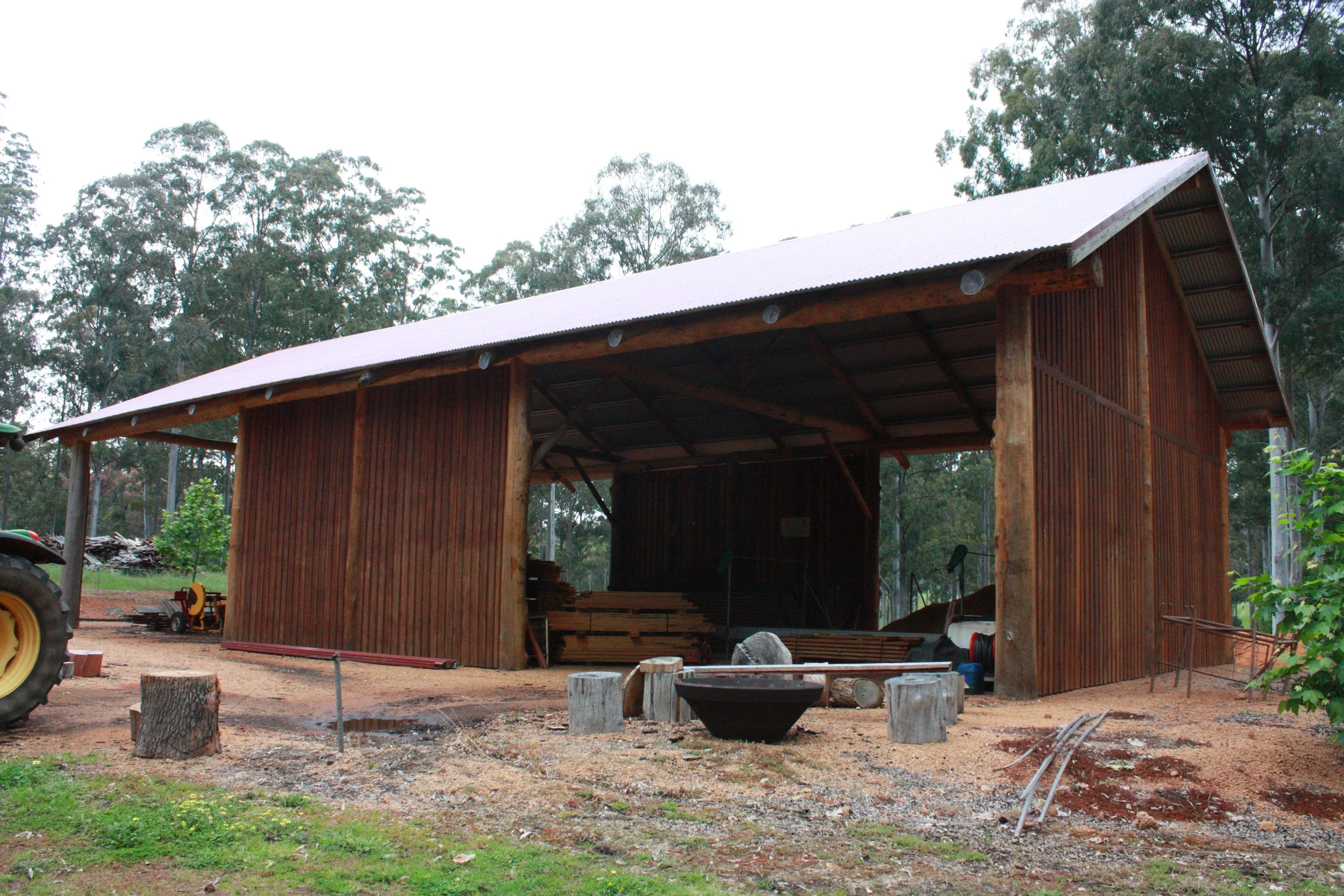
Currently, 1000 trees remain on the Jenkins’ plantation, and they mill their own timber using an on-site portable mill, with the processed timber sold for flooring to a business in Busselton.
This approach allows them to process whatever timber they choose, making their operation ideal for niche timber markets rather than large-scale flooring production.
“We can follow it right through from paddock to finished product, which is very satisfying,” David said.
David’s mentor, Rowan Reid, has played an important role in his forestry journey and the two continue to talk timber on a regular basis.
It seems much of that passion has been passed on to David and Dianne’s son, Adam, who has taken over the management of the farm.
Adam also runs his own arborist business and is currently milling timber to use in the construction of his own home, sharing David’s satisfaction in controlling the process from start to finish.
Firewood has also become a profitable niche market for the Jenkins, providing a market for thinnings as well as timber milled from neighbouring farms.
Reflecting on their experience with forestry and farming, David said there had been many positives amid the challenges.
This includes income diversification, shelter for stock and crops, salinity control and reduced runoff.
“We had an area that was permanently brackish, so we fenced it off and planted a variety of species, that area is now a mini catchment zone with fresh water,” he said.
“As well as the improved environmental outcomes, our income is also higher overall per hectare.
“The potential for forestry on farms in the South West is huge, if managed correctly, and the demand for timber is only increasing.”